I watched Hamnet before anyone else in Italy
(And that’s my review of it)

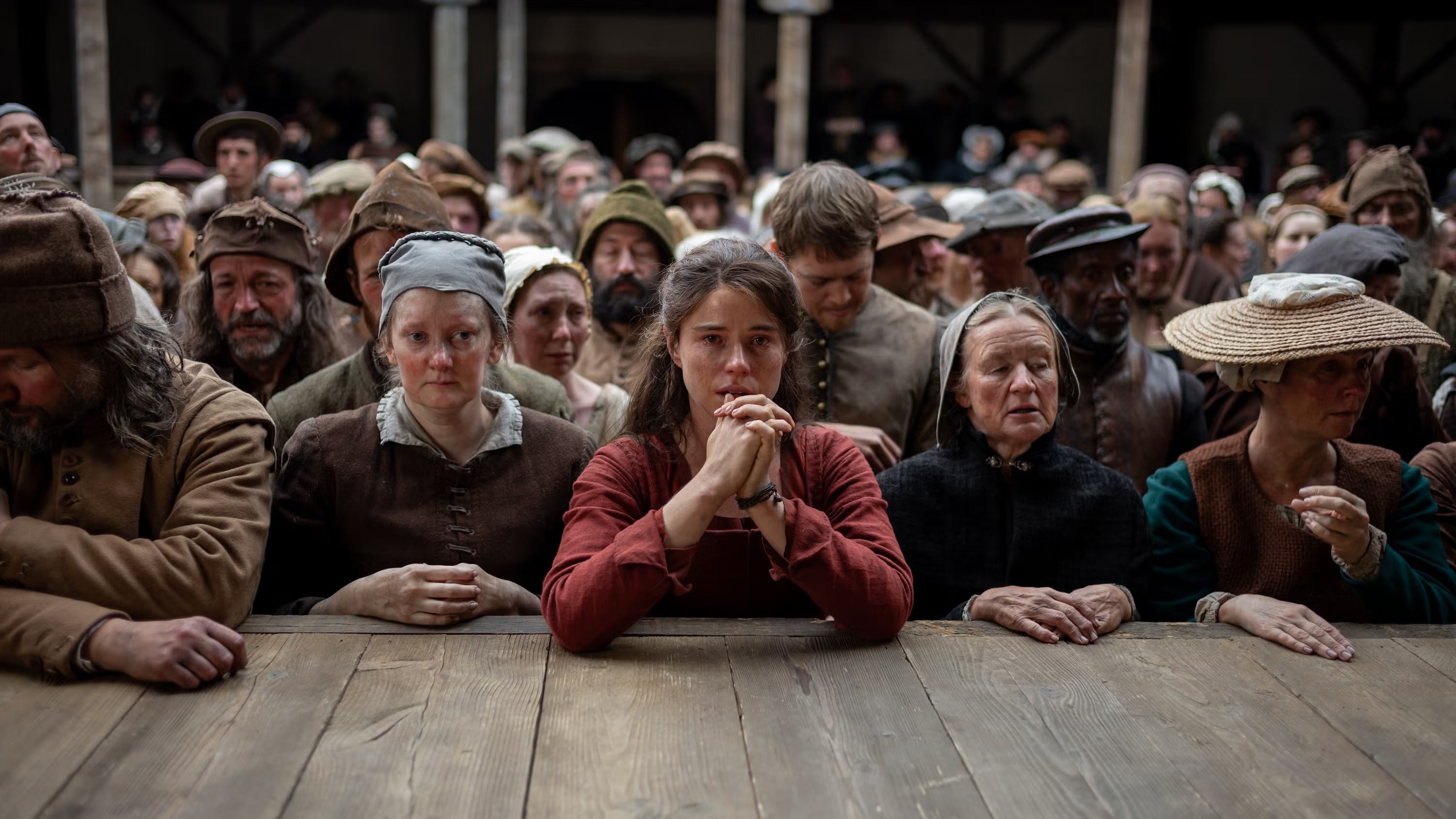
I had the chance to see Hamnet (adaptation of Maggie O’Farrell’s novel) before its official Italian premiere on February 5th, and I can confirm the hype is absolutely real. This isn’t just another refined period drama. It’s raw, muddy, and painfully alive. Paul Mescal and Jessie Buckley make Shakespeare’s world feel close and familiar, modern, almost uncomfortably so. A story written 400 years ago suddenly feels like it belongs to now, stripped of any distance or reverence. The film has already earned 8 Oscar nominations, including Best Picture.
This is my personal take on Hamnet, and how watching it unsettled both my love for Shakespeare and my more “academic” understanding of him.
No Bard on the horizon
The film adaptation of Hamnet is a sensory triumph. Where the historical record is cold, the movie is sweltering. It shifts the focus away from the “Bard” (who is never even named until the final act!) and places it squarely on Agnes (Anne) Hathaway and the fleeting life of their son, Hamnet, who died at age eleven.
The cinematography treats 16th-century Stratford not as a costume drama, but as a visceral, earthy reality. You can almost smell the drying herbs in Agnes’s pantry and feel the chill of the plague in the air.
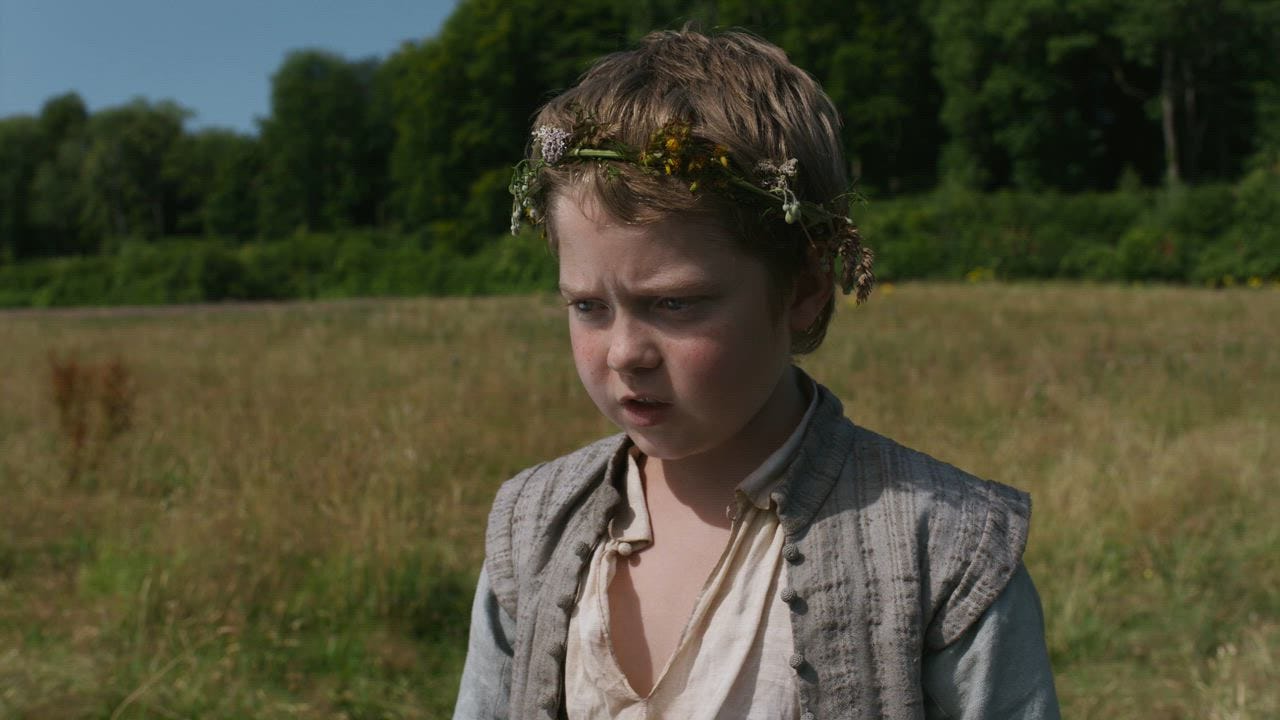
The film excels in portraying grief as a physical force, and it suggests that Hamlet (the play) wasn’t just a piece of commissioned art, but a desperate, metaphysical attempt by a father to trade places with his dead son.
The Reviews
Before deciding to watch the movie, I read some reviews, that have highlighted its “audacious” emotional power (and I agree with it). Critics have noted that while the story relies on a specific interpretation of history (the idea that the play Hamlet must be a direct response to the boy Hamnet) it succeeds because it deepens the mystery rather than trying to solve it. The performances of Jessie Buckley and Paul Mescal are described as “devastating and magnetic,” particularly in a finale that turns private sorrow into a universal experience.
Other perspectives emphasize the film’s “stately” pace, suggesting that it functions almost as a “grown-up fairy tale.” Reviewers have praised how the movie avoids “cheap biographical determinism” by focusing instead on the “wild power of motherhood” and the “healing power of art.”
Hamlet Vs Hamnet
But my personal view of the movie is a complex web of evidence and skepticism. From the documents we know that “William Shakspere” had a son named Hamnet (baptized 1585, buried 1596). At the time, the names Hamlet and Hamnet were largely interchangeable; in fact, on Shakspere’s own will, his neighbor Hamnet Sadler is spelled “Hamlett.” However, the play Hamlet appeared around 1599–1601, just a few years after the boy’s death. So, scholars like Stephen Greenblatt argue that the crushing grief of losing his only son may have spurred Shakespeare to rewrite the existing Hamlet story into the masterpiece we know today.
BUT
The story isn’t original. It stems from the Latin Vita Amlethi and a French version by Belleforest (1570). Furthermore, an “Ur-Hamlet” (an earlier version of the play) existed as early as 1589, likely written by Thomas Kyd (who had no son by that name).
Furthermore, (unlike the film), there is no discernible “grief period” in the historical record. Remarkably, the play immediately following Hamnet’s death was the lighthearted comedy The Merry Wives of Windsor! Like many authors of the time, the dramatist was most likely revisiting an old tale because it was a good story or thematically appealing, not necessarily because of a coincidence of names.
Why the Legend Wins
The film leans heavily into the Legend of the Bard. It chooses to believe that every metaphor in the plays was paid for with a drop of real blood. It’s a compelling narrative, but it highlights our collective refusal to accept that a middle-class businessman could be a genius without a tragic “origin story.”
We prefer the Hamnet version of Shakespeare because the reality is too boring. We want the author of King Lear to be a man of cosmic sorrow, not a man who was meticulously organized about his property taxes. The beautiful fiction and lie behind Shakespeare’s life is infinitely more intoxicating than the truth of a man who simply went to work. To me, the fascination of the movie lies in the “Humanizing Lie.” We live in a world obsessed with data and receipts, yet we cannot stomach the idea that the greatest heights of human expression came from a guy who was simply good at his craft (and real estate).
By choosing the “Hamnet” myth, we are essentially saying that art must be a piece of the soul hidden in a story, and it is fascinating because it reflects our own need for meaning; if Shakespeare’s grief created Hamlet, then our own grief might create something lasting too. And I believe this is the final message of the movie. We trade the dry tax records for a haunting because a ghost story is a lot more comforting than a bank statement. In the end, the “lie” is the only thing that makes the genius feel earned.
Hamnet works not because it tells us who Shakespeare really was, but because it tells us who we hope artists are. That is the quiet triumph of Hamnet. It doesn’t solve the mystery of Shakespeare; it reminds us why we invented one in the first place. The lie is not a failure of reason, it’s a survival instinct. And for two hours, muddy and breathless and alive, the film lets us believe it.